
When Should You Start Dog Behaviour Modification Training and What Results Can You Expect?
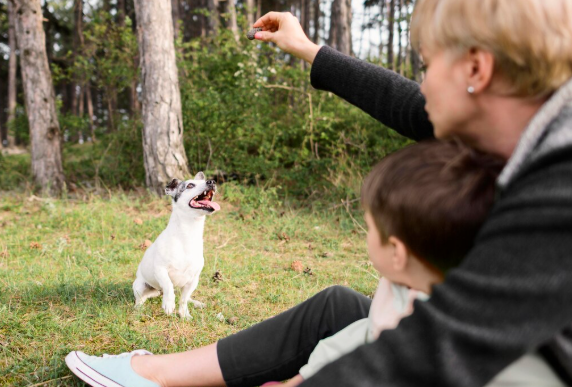
Dogs do not wake up one day with “bad behavior.” Most habits build over time. That is why dog behaviour modification training works best when we act early and stay consistent. We have seen that small issues, like jumping or barking, can turn into bigger problems if ignored.
So the real question is not just when to start, but how to approach it the right way. In this guide, we will walk through timing, methods, and realistic results using proven behaviour modification techniques for dogs.
What Is Dog Behaviour Modification Training?
Dog behaviour modification training focuses on changing how a dog reacts to a situation. It is not just about commands. It is about helping dogs make better choices. For example, instead of stopping barking, we teach calm behavior. Instead of punishing jumping, we reward polite greetings. This approach works because dogs repeat what gets rewarded. So when we change what they earn rewards for, their habits slowly change too.
When Should You Start Behaviour Modification Training?
Start as Early as Possible
The best time to begin is during puppyhood. Puppies learn fast and adapt easily. Early training helps prevent habits before they start. But here is the good news. It is never too late.
You Can Start at Any Age
Adult dogs can still learn new behaviors. It may take more time, but results are still possible. We have worked with older dogs who made big changes with consistent training.
Start When You Notice a Pattern
If your dog keeps repeating a behavior, it is time to act. Common signs include:
- Jumping on guests
- Pulling on the leash
- Chewing furniture
- Barking at strangers
- Chasing animals or cars
The earlier we step in, the easier it is to guide better habits.
Why Timing Matters More Than You Think?
Many dog parents wait too long. They hope the dog will “grow out of it.” But most behaviors get stronger with repetition. For example, if a dog jumps and gets attention, that behavior is rewarded. Over time, it becomes a habit. That is why behaviour modification techniques for dogs focus on stopping the reward cycle. When the reward stops, the behavior loses value.
The 3-Step Method That Actually Works
We often follow a simple three-step method. It is easy to understand and works in real life.
Step 1: Reframe the Behavior
Instead of asking, “How do we stop this?” ask, “What do we want instead?”
- Instead of jumping → sitting calmly
- Instead of barking → staying quiet
- Instead of pulling → walking beside you
This shift makes training clearer for both the dog and us.
Step 2: Manage the Environment
This is where many people miss the point. Management means preventing the dog from practicing bad behavior. Because practice makes habits stronger. Here are simple ways to manage behavior:
- Use a leash when guests arrive
- Keep shoes out of reach
- Close doors or use gates
- Supervise closely during problem situations
Sometimes, management alone solves the issue. For example, closing a door can stop a dog from chewing items inside.
Step 3: Train the New Behavior
Once we manage the situation, we teach the desired behavior. We reward what we want to see more of. This could be treats, praise, or play.
For example:
- Reward sitting instead of jumping
- Reward calm behavior around guests
- Reward walking without pulling
This step builds lasting habits through consistent rewards.
Real-Life Examples Dog Parents Can Relate To
Jumping on Guests
We want polite greetings. So we manage by using a leash. Then we reward sitting. Over time, the dog learns that calm behavior gets attention.
Chewing Furniture
We remove access to items and offer safe chew toys. Then we reward the dog for using those toys instead.
Chasing Cars or Animals
We prevent access using a leash or fence. Then we train recall and focus commands. These examples show how dog behaviour modification training works in daily life.
When Management Is Better Than Training?
Not every problem needs full training. Sometimes, simple changes work better. For example:
- Closing the bathroom door stops toilet drinking
- Keeping food off counters prevents stealing
- Using a fence prevents roaming
These are smart, low-effort solutions. We still train when needed, but we do not overcomplicate things.
What Results Can You Expect?
Short-Term Results
In the first few weeks, you may see small changes:
- Less jumping
- Better focus
- Reduced barking
These early wins come from consistent effort and clear rewards.
Long-Term Results
Over time, behaviors become habits. Your dog starts choosing the right actions without constant guidance. This is where behaviour modification techniques for dogs really shine. They create lasting change, not quick fixes.
Realistic Expectations
It is important to stay realistic.
- Some behaviors improve faster than others
- High-energy dogs may take longer
- Consistency matters more than speed
We often remind dog parents that progress is not always perfect. But steady improvement leads to real success.
Factors That Affect Training Success
Consistency at Home
Everyone in the home must follow the same rules. Mixed signals confuse dogs.
Dog’s Personality and Breed
Some dogs are more energetic or stubborn. This does not mean they cannot learn. It just means we adjust our approach.
Environment and Routine
Busy homes may need stronger management plans. Calm routines often help dogs learn faster.
Level of Commitment
Training works best when we stay patient and consistent. Quick fixes rarely last.
Common Mistakes to Avoid
Many dog parents make similar mistakes. Avoiding these can save time and effort.
- Waiting too long to start training
- Rewarding bad behavior without realizing it
- Being inconsistent with the rules
- Expecting instant results
- Skipping the management step
When we follow a clear plan, dog behaviour modification training becomes much more effective.
How to Know If You Need Professional Help?
Some behaviors need expert guidance. Consider help if your dog shows:
- Aggression
- Severe anxiety
- Fear-based reactions
- Uncontrollable behavior
A structured plan using behaviour modification techniques for dogs can make a big difference in these cases.
FAQs
When should I start dog behaviour modification training?
Start as early as possible, ideally during puppyhood. But adult dogs can learn too. The key is to begin when you notice repeated unwanted behavior.
How long does behaviour modification training take?
It depends on the dog and its behavior. Some changes show in weeks, while others take months. Consistency plays the biggest role in how fast results appear.
Can older dogs still learn new behavior?
Yes, older dogs can learn with patience and repetition. It may take longer, but results are still possible with the right training approach.
What is the difference between training and management?
Training teaches new behavior, while management prevents bad behavior from happening. Both work together to create better habits over time.
Do behaviour modification techniques work for aggressive dogs?
Yes, but they require careful handling and often professional help. A structured plan is important to ensure safety and long-term improvement.
Ready to See Real Change? Let’s Work on Your Dog Together
If you feel stuck or unsure where to start, we get it. Every dog is different, and not every solution fits all. That is why working with experienced trainers can make things easier and more effective. At Happy Dogs on the Hill, we focus on practical, real-world dog behaviour modification training that fits your daily life. We help you understand your dog, apply the right behaviour modification techniques, and build habits that actually last. If you are ready to see calmer walks, better behavior at home, and a stronger bond with your dog, now is a great time to begin.