
What Techniques Do Dog Barking Trainers Use to Stop Constant Barking Without Stressing Your Dog
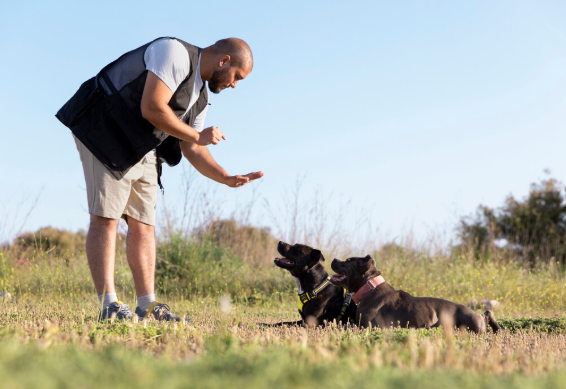
Constant barking can test anyone’s patience. It can disrupt your home, your sleep, and even your relationships with neighbors. Still, most experienced trainers, including any skilled dog barking trainer, will tell you one simple truth. Barking is not bad behavior. It is your dog’s way of communicating something important.
If you have ever thought about hiring a dog trainer for excessive barking, it helps to understand how modern training works. Today, the focus is not on stopping noise at any cost. Instead, it is about teaching your dog what to do instead, while keeping them calm and confident. Let’s break this down in a way that feels clear and practical.
Why Dogs Bark in the First Place?
Before we talk about techniques, we need to understand the “why.” Dogs bark for two main reasons. First, they feel something strong like excitement, fear, or frustration. Second, barking has worked for them before.
For example:
- A dog barks at the window and the person outside leaves
- A dog barks and gets attention from you
- A dog barks when alone and releases stress
Over time, this becomes a habit. A good dog barking trainer looks at both the emotion and the habit before building a plan.
What Trainers Avoid? (And Why It Matters)
Let’s clear up a common mistake. Many people try to stop barking with yelling, spray collars, or shock tools. These may stop the sound for a short time. But they do not teach your dog what to do instead. In fact, they can create fear or confusion. A professional dog trainer for excessive barking focuses on long-term change, not quick fixes. The goal is simple. Reduce the need to bark instead of forcing silence.
Core Techniques Dog Barking Trainers Use
Now let’s get into what actually works. These are the same methods many experienced trainers use every day.
1. Preventing the Habit Before It Starts
Dogs get better at what they practice. So if barking happens all day, it becomes stronger. Trainers often start by managing the environment:
- Blocking windows to reduce outside triggers
- Using gates or barriers to limit access
- Rearranging spaces to create calm zones
This does not mean avoiding the problem. It means giving your dog a better setup while training begins.
2. Meeting Physical and Mental Needs
A bored or restless dog will find ways to release energy. Barking becomes one of those outlets. A dog trainer for excessive barking will often look at your dog’s daily routine first. This includes:
- Daily walks with time to sniff and explore
- Short play sessions that engage the mind
- Food puzzles or enrichment games at home
The goal is not to tire your dog out completely. It is to give them a full, balanced day so barking is not their main activity.
3. Teaching an Alternative Behavior
This is one of the most important steps. Instead of saying “stop barking,” trainers teach your dog what to do instead. One common method is a “place” or “relax” command.
For example:
- The doorbell rings
- Your dog goes to a bed or mat
- Your dog settles and gets rewarded
Over time, this becomes the new habit. A skilled dog barking trainer will build this slowly so your dog feels safe and confident.
4. Rewarding Calm Behavior
Many dog owners only react when barking starts. Trainers do the opposite. They reward calm moments before barking even begins. This might look like:
- Giving a treat when your dog notices a trigger but stays quiet
- Praising relaxed body language
- Reinforcing a quiet recovery after a short bark
This teaches your dog that calm behavior works better than barking.
5. Short, Consistent Training Sessions
Long training sessions are not needed. In fact, they can overwhelm your dog. Most trainers recommend short sessions throughout the day. Even 30 to 60 seconds can make a difference. You can practice:
- Before meals
- During walks
- While doing daily routines
A dog trainer for excessive barking focuses on consistency over intensity. Small steps repeated often create lasting change.
6. Identifying Triggers Early
Barking rarely happens out of nowhere. There is always a pattern. Trainers look for what happens right before the barking starts. Common triggers include:
- Doorbells or knocking
- People walking past windows
- Being left alone
- Other dogs nearby
Once you know the trigger, you can train for that specific situation. This makes your plan much more effective.
7. Training for Specific Situations
Not all barking is the same. Each type needs its own approach.
Doorbell Barking
Trainers often teach a “go to place” routine. The dog learns to move away from the door and settle instead.
Window Barking
Managing visibility and rewarding calm behavior helps reduce reactions over time.
Barking When Alone
This often involves emotional support and gradual training. A dog barking trainer may use slow departures and confidence-building exercises. Each case is handled with care. There is no one-size-fits-all solution.
8. Building Emotional Stability
Some barking comes from stress or anxiety. In these cases, training focuses on emotional balance. This can include:
- Teaching relaxation exercises
- Creating safe resting spaces
- Building independence slowly
A good dog trainer for excessive barking will never rush this process. Emotional change takes time, but it leads to real results.
9. Mixing Routine with Flexibility
Dogs love routine, but strict timing can create anticipation barking. For example, if your dog eats at the same time daily, they may start barking before meals. Trainers often suggest small changes:
- Feeding within a time window instead of exact minutes
- Varying walk times slightly
- Keeping structure but avoiding predictability
This helps reduce anxious or excited barking tied to routine.
What Progress Looks Like?
Here is something many dog owners misunderstand. Success does not mean zero barking. Dogs will always bark sometimes. Instead, progress looks like:
- Shorter barking episodes
- Faster recovery after a trigger
- More calm choices throughout the day
A trained dog is not silent. They are balanced and easier to live with.
When to Consider Professional Help?
Sometimes, barking is more intense or tied to anxiety. You may want help if:
- Barking lasts for long periods
- Your dog shows signs of panic
- Training at home is not improving the situation
Working with a dog barking trainer can give you a clear plan and support. It also helps avoid trial-and-error mistakes that slow progress.
FAQs
1. How do you stop excessive barking without punishment?
Focus on teaching alternative behaviors and rewarding calm moments. Management and consistency help reduce barking over time without fear or stress.
2. How long does it take to fix excessive barking?
It depends on how long the habit exists. Most dogs show early progress in a few weeks with consistent training and proper setup.
3. Should I ignore my dog when they bark?
Ignoring alone rarely works. Dogs need guidance on what to do instead, along with rewards for calm behavior.
4. Can a dog barking trainer really help?
Yes, a trained professional can identify triggers, build a plan, and guide you through the process step by step.
5. Why does my dog bark more when I leave?
This may be linked to stress or separation issues. It needs a gradual, supportive training approach rather than quick fixes.
Ready to Bring Calm Back to Your Home?
If barking has taken over your daily life, you are not alone, and you are not stuck. With the right approach, things can change in a way that feels fair to both you and your dog.
At Happy Dogs on the Hill, we work with you to understand your dog’s behavior and build a clear plan that actually fits your life. As an experienced dog trainer for excessive barking, we focus on calm, positive methods that create lasting results without stress. If you are ready to see real progress, we are here to help you and your dog move forward together.