
What Are the Most Proven Behaviour Modification Techniques for Dogs That Actually Work?
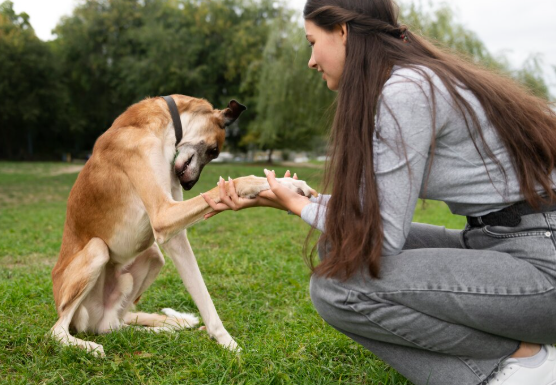
Training a dog can be fun, but it’s not always a walk in the park. Sometimes, our pups pick up habits that drive us nuts. That’s where dog behaviour modification comes in. It’s about guiding your dog to act the way you want, without stress or yelling. We’ll go through the most proven behaviour modification techniques for dogs that actually work, and explain them in a way that’s easy to understand.
What Is Dog Behaviour Modification?
Simply put, dog behaviour modification is about changing unwanted habits and encouraging good ones. Think chewing on shoes or jumping on guests. The goal is to swap those behaviors for ones that are easier to live with.
Dogs don’t think like humans. They respond to clear signals, rewards, and consistent guidance. Once you understand that, modifying their behavior becomes way simpler.
How Does Positive Reinforcement Work?
Positive reinforcement is one of the easiest and most effective behaviour modification techniques for dogs. It’s all about rewarding good behavior instead of punishing the bad.
For example, if your dog sits on command, give them a treat or a nice pat. Repeat this often. Your dog will soon realize that sitting pays off. It’s simple, but it works. And trust us, dogs love learning this way.
Why Clicker Training Is a Game Changer?
Clicker training is a type of positive reinforcement. You use a small device that makes a clicking sound to mark the right behavior. Then, you reward your dog.
Here’s how it works:
- Introduce the clicker and pair it with treats.
- Wait for your dog to do the right thing, then click and reward.
- Repeat until the dog gets it.
It’s precise and clear. Dogs catch on fast. Plus, it makes training feel like a game.
Can Counter-Conditioning Help Scared Dogs?
Counter-conditioning helps dogs swap fear for calm. It works great for dogs scared of noises, strangers, or other pets. For example, a dog scared of the vacuum can learn to stay calm like this:
- Start by showing the vacuum from across the room.
- Reward calm behavior with treats.
- Slowly bring it closer while keeping rewards coming.
Over time, the scary thing becomes just another part of their day. It’s a gentle method that really works.
How Does Desensitization Work?
Desensitization goes hand in hand with counter-conditioning. You slowly expose your dog to triggers in small steps. Example: Your dog hates car rides. First, sit near the parked car. Next, turn the engine on for a few seconds. Then take a short drive. Reward calm behavior every step. This approach keeps dogs from getting overwhelmed. It’s a safe way to build confidence and reduce anxiety.
Are Time-Outs Useful for Dogs?
Time-outs are another behaviour modification technique for dogs. They work when your dog acts out, like jumping or barking too much. Here’s the simple process:
- Stop attention the moment the behavior happens.
- Move your dog to a quiet space for a few minutes.
- Resume interaction only when they’re calm.
It’s not mean, and it teaches boundaries. Combine it with rewards, and it’s even more effective.
Why Consistency Is Everything?
Consistency is the backbone of all dog behaviour modification. Dogs thrive on routine. If you allow jumping sometimes but scold other times, your dog will be confused. Stick to the same commands, rewards, and rules every day. Make sure everyone in the family follows the same rules. Mixed messages only slow progress.
Can Exercise and Mental Games Reduce Bad Behavior?
Bored or under-exercised dogs are more likely to misbehave. A daily walk, some fetch, or even puzzle toys can make a big difference. Mental stimulation is just as important. Teach new tricks, hide treats, or play scent games. A tired and engaged dog is easier to train and less likely to act out.
How Important Is Patience?
Patience is key. Dogs don’t change overnight. Some behaviors took months or years to form. Celebrate small wins and don’t get frustrated by slip-ups. Step by step, using proven behaviour modification techniques for dogs, your dog will improve.
FAQs
Q1: How long does dog behaviour modification take?
It varies. Some habits change in weeks, others take months of practice.
Q2: Can any dog benefit from these techniques?
Yes. Almost all dogs respond well to gentle, consistent methods.
Q3: Should I punish my dog for bad behavior?
No. Positive reinforcement works better than punishment. It builds trust.
Q4: Can I do these techniques at home?
Absolutely. With patience and routine, most methods are easy to apply.
Q5: What if my dog shows aggression?
Seek help from a certified trainer or behaviorist for safety and guidance.
Ready to See Real Results with Your Dog?
We get it. Changing a dog’s habits can feel overwhelming. That’s why we at Happy Dogs on the Hill focus on simple, proven techniques that work. From positive reinforcement to desensitization, we guide you every step.
If you want a calmer, happier dog and a stronger bond, check out Happy Dogs on the Hill. We’ll help you get real results without stress or frustration.