
What Are the First Steps in Dog Training for Reactive Dogs That Struggle Around Triggers?
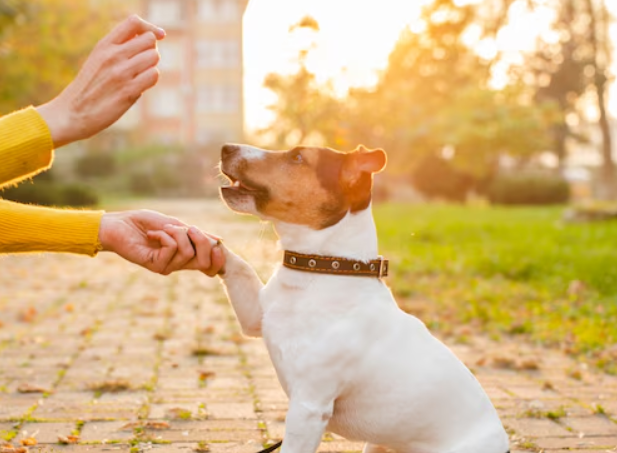
A dog that lunges, barks, or freezes at triggers isn’t being stubborn. They’re communicating something. When we work with reactive dog training in Washington, DC, the first thing we do is listen to what the dog is actually telling us before we ask them to do anything at all. If you’ve ever wondered what happens inside a professional reactive dog training session, or why what you’ve tried at home hasn’t stuck, this is going to answer a lot of your questions.
Why Reactivity Is Treated as a Symptom First?
The first thing a professional does is resist the urge to jump straight into training commands. Reactivity is not the problem. It is the sign of a problem. Before a single exercise begins, we spend time figuring out what’s actually driving the behavior.
Is the dog reacting out of fear? From frustration because they want to get to something and can’t? From over-excitement that has no outlet? Or from a lack of confidence around unfamiliar things? Each of these looks almost identical to an untrained eye, but they require very different approaches. Getting this wrong early is one of the main reasons dogs don’t improve despite months of work.
What a Professional Observes in the First Session?
Before any structured training begins, we watch. We observe how the dog moves through their own home. How do they respond when someone knocks at the door? What’s their reaction when a person walks past the window? Do they startle easily? Do they recover quickly or stay alert for a long time after?
This tells us a huge amount about the dog’s baseline stress level. Most owners are surprised to learn that their dog has been practicing reactivity at home every single day, just in quieter ways. Window barking, door rushing, and pacing when guests arrive are all connected to the bigger reactions happening outside. We don’t skip these. We start right there.
Building the Communication Foundation
Once we understand the dog’s emotional state and triggers, we build a communication system before we introduce any stressful scenario. This is what separates structured dog training for reactive dogs from generic obedience training.
We teach the dog three things in this phase:
- Marker clarity: The dog learns that a specific word or click sound means “yes, that’s exactly right, something good is coming.” This creates a reliable feedback loop they can trust even when they’re nervous.
- Leash responsiveness: The dog learns to follow light leash pressure without resistance. This isn’t about force. It’s about teaching the dog that yielding to gentle guidance leads to relief and reward.
- Check-ins with the handler: The dog learns that looking at their person is always a good idea, especially when something uncertain is nearby. We build this habit in calm settings first, so it becomes automatic under pressure.
The Threshold Concept in Professional Training
Here’s one of the most important things professionals use that most owners don’t know about: threshold work. Every reactive dog has a distance at which they can notice a trigger and still stay relatively calm. Cross that distance and the dog goes over threshold, meaning their brain shifts into reaction mode and learning stops.
Professional trainers work deliberately below that threshold in early sessions. We put the dog close enough to the trigger that they’re aware of it, but not so close that they react. We reward calm, focused behavior at that distance. Over multiple sessions, the threshold shifts. The dog becomes able to stay calm closer and closer to the thing that used to send them over the edge.
This is slow, intentional work. Rushing it is one of the most common mistakes in reactive dog training, and it often makes reactivity worse.
Impulse Control as a Training Priority
One of the exercises we almost always introduce early is impulse control. This doesn’t mean the dog has to become robotic. It means the dog learns that waiting and staying calm is what unlocks the things they want.
We start with very low-stakes scenarios. A treat on the ground they can’t have until given a release word. Waiting at a door before going outside. Sitting quietly before the leash goes on. These aren’t just tricks. They build the mental discipline a reactive dog needs to pause before reacting in a high-stakes moment.
Think of it this way: if a dog can’t leave a piece of food on the floor, it’s unrealistic to expect them to ignore a squirrel, another dog, or a fast-moving bike without a strong foundation of impulse control first.
How Does Confidence Building Change the Outcome?
The most overlooked piece of reactive dog training in Washington, DC, is confidence. A dog that feels secure with their handler is a dog that can start to relax in uncertain situations. We build this by deliberately working with dogs through mildly challenging scenarios and guiding them successfully.
New surfaces, unfamiliar sounds, different environments, mild discomfort from new experiences — we introduce all of these in controlled ways and reward the dog for moving through them calmly. Over time, the dog builds a history of “I was unsure, but it worked out.” That history is what allows them to eventually stay calm around their triggers instead of reacting.
How Structured Walks Reinforce Daily Progress?
Reactive dogs need structure during walks, not just during formal training sessions. Every walk is a training opportunity. During dog training for reactive dogs, we teach owners and sitters to maintain calm, consistent energy on the leash, to change direction before a trigger appears, and to reward check-ins proactively rather than waiting for a reaction to manage.
FAQs
What is the first thing to do with a reactive dog?
Identify what’s driving the reactivity: fear, frustration, or over-excitement. Then build basic communication and impulse control before introducing trigger exposure. Starting with the root cause gives training a real foundation.
How long does reactive dog training take?
Most dogs show noticeable improvement within 6 to 12 weeks of consistent training. Severe reactivity may take longer. Progress depends on session frequency, daily reinforcement at home, and the dog’s baseline stress level.
Can reactive dogs be trained to walk calmly near other dogs?
Yes, with threshold-based training and consistent practice. Dogs learn to stay calm near triggers by working at a safe distance first and gradually closing the gap as their confidence grows.
What mistakes make reactive dog training worse?
Flooding the dog by exposing them directly to triggers too soon, rewarding excitement, inconsistent rules at home, and skipping impulse control exercises all slow progress or increase reactivity over time.
Does a reactive dog need a professional trainer?
For moderate to severe reactivity, professional help is strongly recommended. A trainer can assess the root cause, set the right threshold distances, and teach owners the handling skills needed to reinforce progress daily.
Ready to See Real Progress With Your Reactive Dog?
If your dog struggles around triggers, I want you to know there’s a clear path forward. At Happy Dogs on the Hill, we’ve worked with reactive dogs across all severity levels, and we tailor every training plan to what’s actually driving the behavior. Whether your dog needs structured sessions to address reactivity, daily reinforcement through dog training for reactive dogs, or consistent support during walks as part of our services in the Capitol Hill area, we’re here to help. Book your free consultation at happydogsonthehill.com and let’s take the first real step together.