
How Do You Stop Your Dog From Barking Excessively? Proven Methods for Capitol Hill Homes
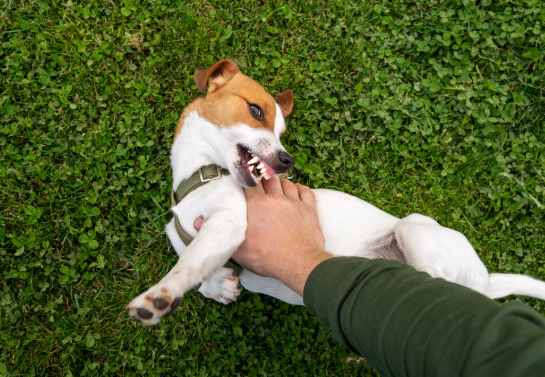
Excessive barking can turn a peaceful home into a noisy challenge. Dogs bark for many reasons, such as alerting, boredom, or even anxiety. While it is natural, too much barking can stress both the dog and the household. For families in busy areas, like Capitol Hill, DC, learning to train your dog not to bark is essential. With the right strategies, we can help dogs control their barking while still expressing themselves. Let’s explore practical, proven methods that work in real-life neighborhoods.
Why Do Dogs Bark So Much?
Dogs use barking to communicate. Some bark to warn of strangers, others bark when they’re bored or lonely. Puppies often bark more, but adult dogs can pick up habits over time. Understanding why a dog barks is the first step in barking training on Capitol Hill, DC.
For example, if your dog reacts to passersby, it’s likely alert barking. If it happens when you leave, it may be separation anxiety. Even certain breeds are naturally more vocal. Terriers and hounds, for instance, often bark more than Labradors. By observing patterns, we can choose the right method to address excessive barking.
How Can I Start Training My Dog Not to Bark?
The key is consistency. Start by teaching your dog a simple “quiet” command. Reward them with treats or praise when they stop barking on cue. Avoid yelling; it can confuse your dog or even make barking worse.
Short, calm sessions are best, about 5–10 minutes, a few times per day. You can also practice in small increments during daily routines, like when the mail carrier arrives. The goal is for your dog to learn that quiet behavior brings rewards, while constant barking doesn’t. Patience is more effective than punishment.
What Are Some Proven Methods to Reduce Barking?
There are several effective approaches we often use.
1. Positive Reinforcement
Reward good behavior. When your dog stops barking on command, give a treat or affection. This helps your dog associate quiet behavior with rewards. You can use small treats during short training sessions to keep motivation high.
2. Redirection
If your dog barks at passersby, redirect their attention to a toy, a puzzle, or a simple task. For example, ask them to sit or fetch a toy when someone walks by. This teaches them to focus on something else instead of barking.
3. Environmental Management
Close curtains or use white noise if outdoor distractions trigger barking. Sometimes, changing the environment reduces the barking naturally. Blocking the view of busy streets or construction areas can make a big difference.
4. Exercise and Mental Stimulation
A tired dog barks less. Walks, puzzle toys, and playtime help reduce energy-driven barking. Mental challenges like treat puzzles or basic commands engage their minds. A dog that is both mentally and physically satisfied is calmer and quieter.
5. Controlled Socialization
Exposing your dog to different people, sounds, and situations gradually helps them become more comfortable. Start with quiet parks or calm neighbors, then slowly introduce busier streets. This reduces fear-based barking and builds confidence.
Can Barking Training Work in Busy Areas Like Capitol Hill, DC?
Yes, but it requires dedication. Urban environments have more distractions—people, cars, and other dogs. In barking training on Capitol Hill, DC, start with controlled settings. Practice commands indoors or in quiet outdoor spaces before moving to busier streets.
Gradually increase exposure, always rewarding calm behavior. For example, if your dog barks at cyclists, start at a distance where your dog notices but stays calm, then reward quiet behavior. Over time, dogs learn to manage impulses even in high-stimulus areas.
How Long Does It Take to See Results?
Every dog is different. Some respond within weeks, others take months. Factors include age, breed, and prior habits. Short, regular sessions are far more effective than long, occasional ones.
Celebrate small improvements. For instance, if your dog barks less at the door or waits quietly before you open it, that’s progress. Combining daily practice with positive reinforcement accelerates success.
How Do I Avoid Reinforcing Bad Barking Habits?
We must be careful not to reward unwanted behavior. For instance, if a dog barks for attention, don’t respond immediately. Wait for them to be quiet, then give praise or a treat.
Also, avoid unintentionally rewarding barking with things like opening the door immediately or giving toys during constant barking. Timing is everything. Recognizing the moment your dog stops barking helps them connect quiet behavior with positive outcomes.
Are There Tools That Can Help?
Some tools assist with training your dog not to bark:
- Clickers: Mark the exact moment your dog stops barking for positive reinforcement.
- Treat dispensers: Useful for rewarding good behavior even when you’re busy.
- Barrier management: Gates or window covers limit visual triggers that cause barking.
These tools support training but should never replace consistent guidance and attention. When combined with exercises and structured routines, tools make learning easier for your dog.
What Role Does Professional Training Play?
Sometimes, dogs need extra help. Professional trainers specialize in barking training on Capitol Hill, DC, and can create customized plans. They often spot patterns owners might miss and suggest strategies that fit your neighborhood and lifestyle.
Even a few sessions can help address stubborn habits. Trainers can also guide owners on balancing alert barking with peace at home. Partnering with experts ensures the process is safe, effective, and less stressful for both dog and owner.
Extra Tips to Keep Barking in Check
- Routine: Dogs feel secure with predictable schedules.
- Calm Leadership: Speak in gentle, firm tones. Excitement can trigger barking.
- Gradual Exposure: Introduce triggers slowly, not all at once.
- Interactive Play: Rotate toys and games to keep your dog engaged.
- Record Patterns: Keep a journal of barking triggers to target specific issues.
Applying these tips alongside regular training sessions reinforces progress and reduces setbacks.
FAQs
Q: Why does my dog bark only when I leave the house?
A: This is often separation anxiety. Gradual desensitization and reassurance help.
Q: Is it okay to let my dog bark at strangers?
A: Some alert barking is normal, but constant barking can be disruptive. Controlled training balances safety and quiet.
Q: Can barking training work for older dogs?
A: Yes. Older dogs can learn new habits with patience and consistent training.
Q: How often should I train my dog to stop barking?
A: Short sessions, 5–10 minutes, two to three times daily, work best.
Q: Are anti-bark collars recommended?
A: Only under professional guidance. Positive reinforcement is safer and more effective.
Ready to Help Your Dog Be Quieter and Happier?
At Happy Dogs on the Hill, we know how challenging barking can be in city homes. Our team offers practical solutions for training your dog not to bark and guidance for barking training on Capitol Hill, DC. We help dogs feel calmer while making your home peaceful again.
If you’re ready to enjoy a quieter home and a happier dog, visit our site today to schedule a consultation. Together, we can create a calm, confident, and well-behaved companion.