
Dog Training Guide: How Leash Training Works for Adult Dogs?
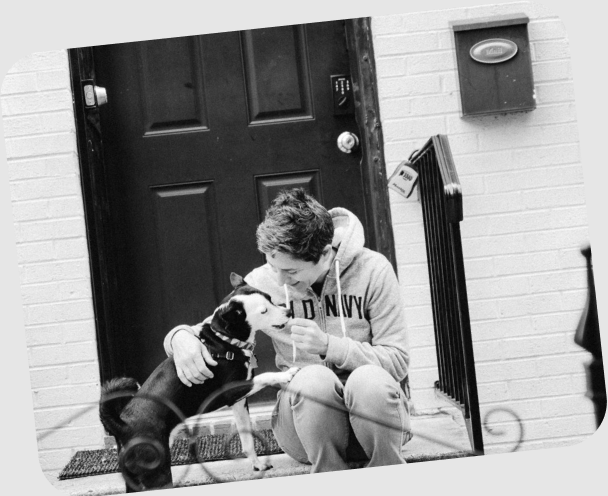
Does your adult dog treat every walk like a race? If you feel more like an anchor than a partner, you are not alone. Many people believe that once a dog grows up, their habits are set in stone. We are here to tell you that this simply is not true. Whether you just rescued a mature pup or your old friend has always been a “puller,” progress is possible. We believe that leash training adult dogs is one of the best ways to improve your daily bond. In this guide, we will explore how you can turn those frantic outdoor struggles into calm, enjoyable strolls.
Is it possible to teach an older dog to walk on a leash?
Many owners worry that their dog is “too old” to learn new tricks. However, dogs are lifelong learners. While a puppy is a blank slate, an adult dog often has years of “practiced” behavior. They might pull because they learned it gets them where they want to go faster. To fix this, we need to change what they expect from a walk.
Leash training for adult dogs takes patience, but it is very effective. We use positive reinforcement to show them that staying close is more rewarding than pulling away. With a little time, even the most stubborn puller can learn to relax.
Why do dogs pull when we are outside?
To solve the problem, we must understand why it happens. Dogs naturally walk much faster than humans do. When they see a squirrel or smell a new scent, their first instinct is to rush toward it. If we follow them while the leash is tight, we accidentally teach them that pulling works. In busy areas, like when you are practicing leash training in Capitol Hill, DC, the distractions are everywhere. The noise of traffic and the smell of food trucks can make a dog feel very excited. Our job is to be more interesting than those distractions.
What gear do we need to get started?
Before we begin, we need the right tools. A standard four-to-six-foot leash is usually the best choice. We recommend avoiding retractable leashes because they keep constant tension on the collar. This makes it harder for the dog to tell when the leash is actually “loose.” Many owners find success with a front-clip harness.
This tool gently redirects the dog’s body back toward you if they try to lunge forward. At Happy Dogs On Hills, we always suggest using high-value treats that your dog rarely gets at home. This makes the training sessions feel like a special event.
How do we start the training process indoors?
We always start in a quiet place with zero distractions. Your living room is the perfect “classroom.” Start by simply putting the leash on and rewarding your dog for standing calmly. Walk a few steps and give a treat every time your dog stays by your side. If they move ahead, just stop and wait for them to look back at you. This teaches them that “forward motion” only happens when the leash is slack. Once they are experts at home, you can move to the backyard or a quiet hallway.
How do we handle the distractions of the city?
Moving outside is the biggest challenge for most pets. If you are working on leash training in Capitol Hill, DC, you know how busy the sidewalks can be. We suggest starting your walks during “quiet hours” when there are fewer people out. If your dog starts to pull toward a person or another pup, do not yank back. Instead, plant your feet like a tree.
Wait for the dog to turn around or sit. As soon as the leash goes limp, praise them and keep walking. This shows them that pulling actually makes the walk stop, while a loose leash keeps the fun going.
What are the steps for a successful walk?
- Prepare your treats: Have small, tasty rewards ready in your hand or a pouch.
- Wait for calm: Do not open the door until your dog is sitting quietly.
- Start slow: Take three steps and reward your dog for staying level with your leg.
- The “Stop and Wait” method: If the leash tightens, stop immediately.
- Change directions: If they are too focused on something ahead, turn around and walk the other way.
- End on a high note: Always finish the session with a big reward and lots of praise.
How long does it take to see results?
Every dog is different. Some pups catch on in a week, while others might take a month of daily practice. Consistency is the most important part of the plan. If you let them pull on Monday but act strictly on Tuesday, the dog will get confused.
We encourage owners to keep sessions short, about five to ten minutes at a time. This keeps the dog from getting bored or frustrated. At Happy Dogs On Hills, we see that dogs who get mental exercise along with their walks tend to learn much faster.
Why is consistency so important for adult dogs?
Adult dogs rely on patterns. If you are inconsistent, they will keep testing the boundaries to see what they can get away with. By being a predictable partner, you help your dog feel safe. They stop worrying about what is “out there” and start focusing on you. This makes leash training adult dogs a journey of trust. Over time, you will find that the leash is just a safety net, not a tool for control. You will finally be able to walk together as a team.
FAQs
Can you leash train a 7-year-old dog?
Yes, you absolutely can. Older dogs learn well through positive reinforcement. It may take more patience to break old habits, but they are very capable of learning new walking manners at any age.
How do I stop my dog from lunging on the leash?
When your dog lunges, do not pull back. Instead, increase the distance between your dog and the distraction. Use high-value treats to redirect their attention to you before they have a chance to lunge.
Is a harness or a collar better for leash training?
A front-clip harness is often better for dogs that pull. It provides more control without putting pressure on the neck. Collars are great for ID tags, but they can cause coughing if a dog pulls hard.
Why does my dog bark at other dogs on walks?
This is often due to excitement or frustration. Leash training on Capitol Hill, DC, helps by teaching your dog to look at you when they see another dog. This turns their focus away from the “trigger” and back to you.
Ready for stress-free walks on the Hill?
We know that training a dog in a busy city can be tough. You do not have to do it alone. If you want expert help with leash training for your adult dogs, we are here for you. Our team specializes in gentle, effective methods that work for real life.
We can help you guide the busy streets and quiet parks of our beautiful neighborhood. Let us turn your “wild walker” into a calm companion. Contact Happy Dogs On Hills today to start your journey toward better walks and a happier pup!